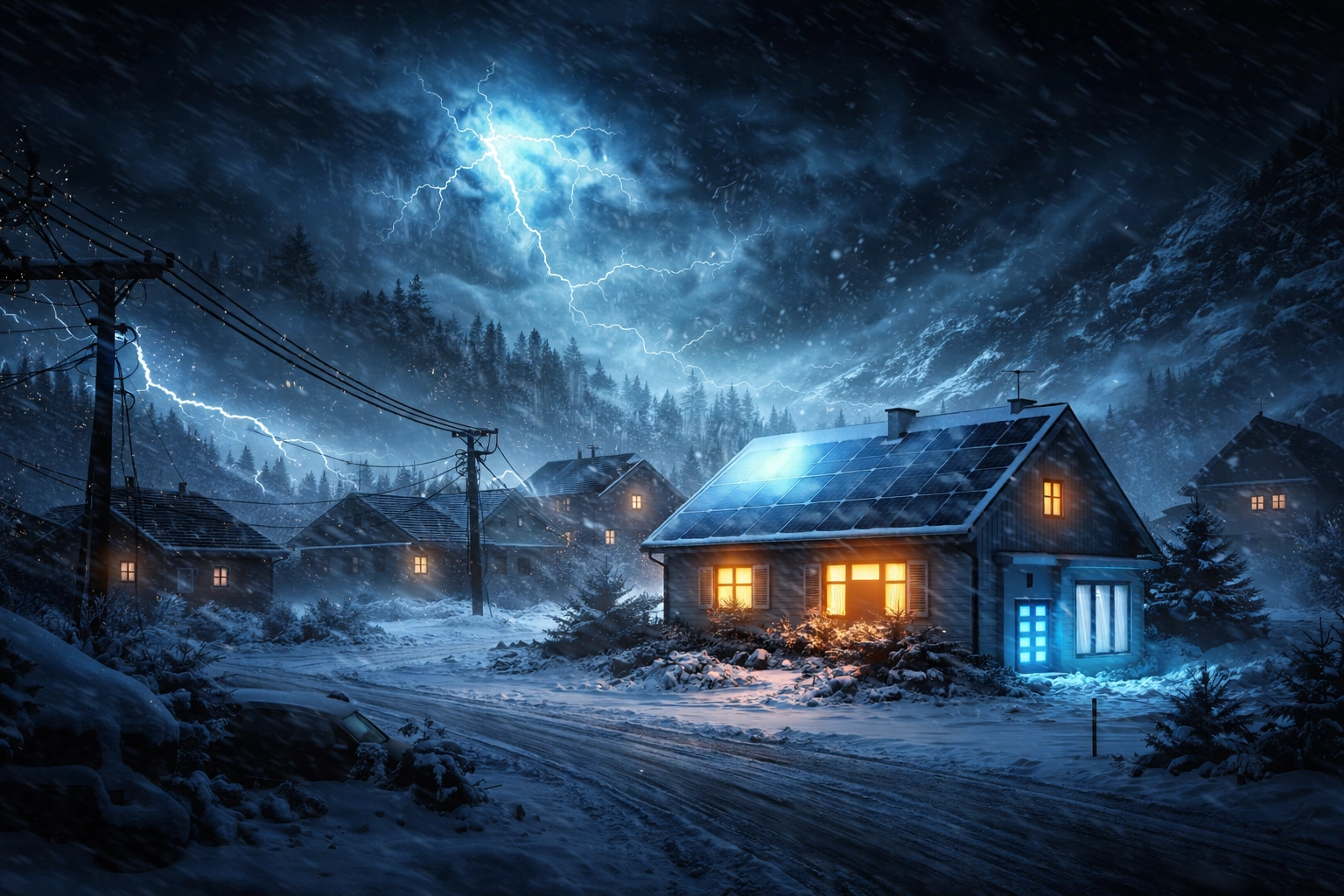
Right now, as you're reading this, over a million Americans are sitting in the dark. Winter Storm Fern is tearing across the East Coast and South, bringing ice, snow, and brutal cold: and the power grid is buckling under the pressure. Roads are impassable. Temperatures are dropping. And families, businesses, and critical operations are left wondering when the lights will come back on.
Here's the thing: this scenario is 100% preventable.
Not the storm itself: Mother Nature's going to do what she does. But the helplessness? The uncertainty? The scramble to find candles and hope your pipes don't freeze? That part is optional. And if you're a business owner, defense supplier, or anyone who simply refuses to be at the mercy of aging infrastructure, it's time to have a serious conversation about off-grid energy solutions.
Winter Storm Fern: A Wake-Up Call in Real Time
As of January 25, 2026, Winter Storm Fern has knocked out power to communities from Georgia to Virginia. Utility crews are working around the clock, but restoration timelines are measured in days: not hours. For rural areas, that timeline stretches even longer. Studies show that rural power restoration takes 2.8 times longer than urban areas after major weather events.
Think about that for a second. If you're running a small manufacturing operation in a less-populated area: maybe you're part of the defense industrial base: you could be looking at a week or more without power. That's not an inconvenience. That's a business-ending event if you're not prepared.
Why the Grid Fails (And Why It'll Keep Failing)
Let's be real: our power grid wasn't built for the weather we're getting now. It was designed decades ago for a different climate reality. Today's storms are more intense, more frequent, and more destructive. The grid simply can't keep up.
When a major storm hits, here's what typically happens:
- Ice accumulates on power lines, causing them to snap
- Trees fall across transmission infrastructure
- Substations flood or freeze, taking entire neighborhoods offline
- Demand spikes as everyone cranks up the heat simultaneously
And here's the kicker: even if you have solar panels on your roof, standard grid-tied systems won't help you during an outage. They automatically disconnect when the grid fails. You could have $50,000 worth of panels up there, and you'd still be in the dark.
That's why true energy independence requires a different approach.
The Off-Grid Advantage: Power When You Need It Most
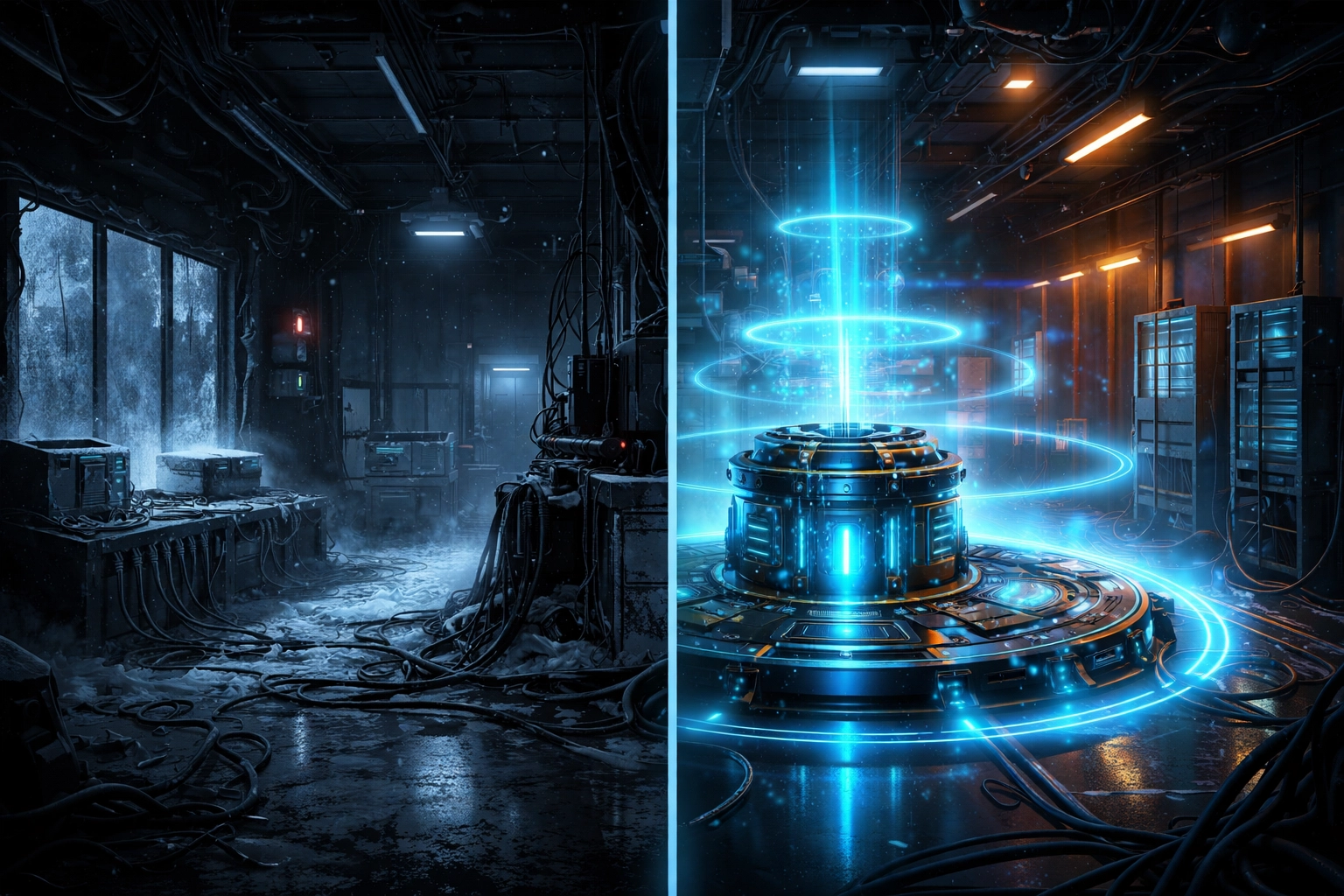
Off-grid energy systems operate independently of the utility grid. When Fern knocked out power across the Southeast this weekend, homes and businesses with off-grid solutions kept running. Lights stayed on. Refrigerators hummed. Heating systems continued to work.
Here's what off-grid energy actually delivers during a crisis:
Medical and Safety Essentials
- Keeps refrigeration running for medications, insulin, and vaccines
- Powers medical devices like CPAP machines and oxygen concentrators
- Enables water purification when municipal systems fail
Communication and Coordination
- Charges phones and laptops so you can reach emergency services
- Maintains internet connectivity for real-time updates
- Keeps security systems operational when you need them most
Business Continuity
- Protects inventory and equipment from temperature damage
- Maintains operational capability during extended outages
- Prevents costly downtime that can destroy contracts and customer relationships
The Numbers Don't Lie
Let's talk performance. Real-world data from off-grid deployments shows staggering resilience advantages:
- Communities with diversified solar systems experience 87% fewer climate-related power outages
- Hybrid solar-battery systems in storm-prone regions achieve 99.2% availability compared to just 34% for conventional diesel generators
- Off-grid solar achieves costs below $0.20 per kilowatt-hour over a 25-year lifespan: diesel generators run $0.50 to $1.00 per kilowatt-hour
This isn't theoretical. During the 2021 Texas winter storm, families with off-grid solar and battery storage kept their heat running while millions suffered dangerous cold exposure. Puerto Rico's off-grid installations have maintained power through Category 5 hurricanes.
The technology works. The question is whether you'll have it when you need it.
Why Planet Security? Because We've Been Doing This for Years
At Planet Security Inc., off-grid energy isn't a side project: it's a core competency. We've built our reputation on helping organizations achieve true operational resilience, whether that's through our CPE Level 2 cybersecurity solutions or our comprehensive energy security offerings.
Our approach to off-grid energy includes:
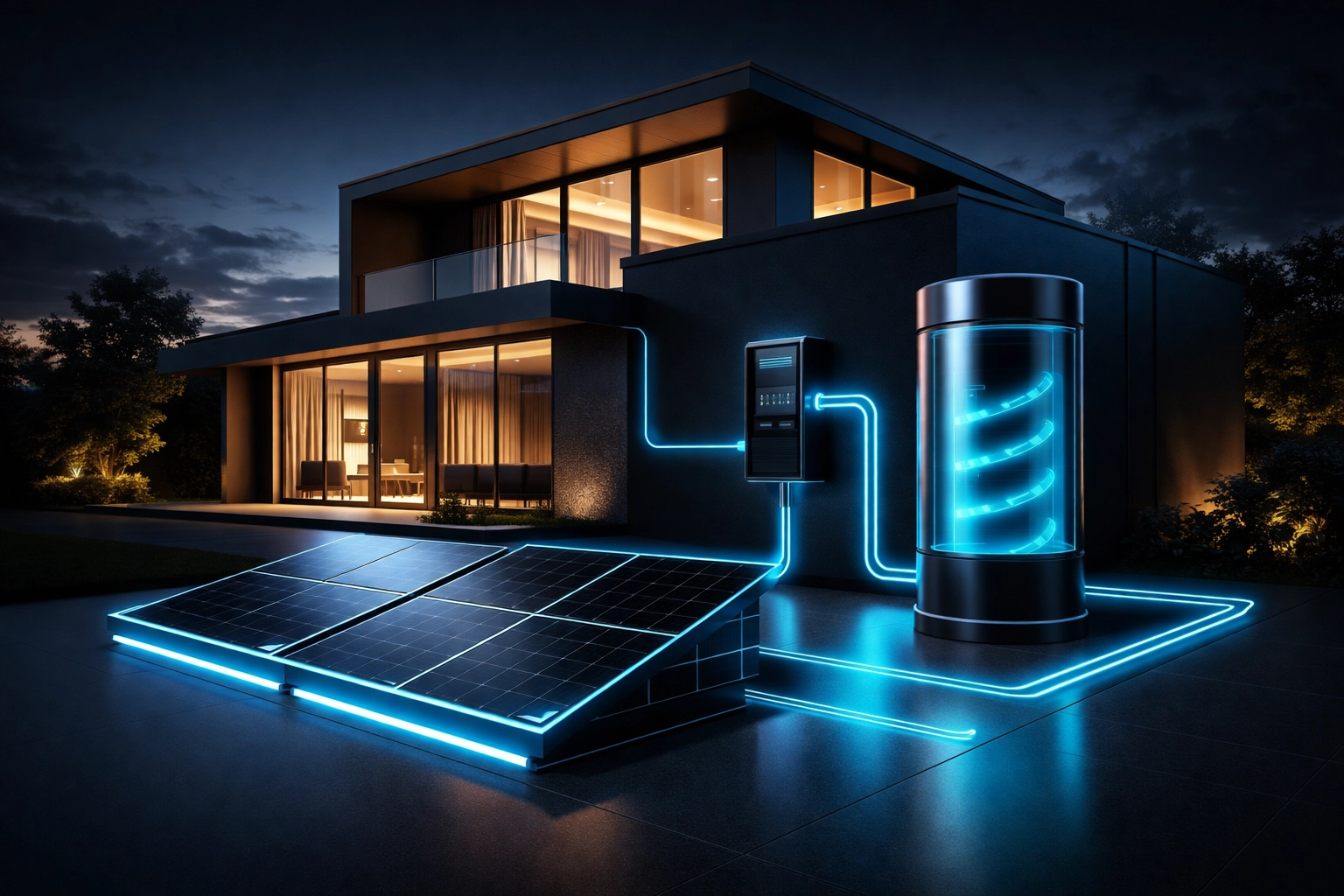
- Solar panel arrays sized for your specific power requirements
- Battery storage systems capable of maintaining operations for multiple days without sunlight
- Intelligent load management that prioritizes critical systems automatically
- Integration with potable water security solutions for complete infrastructure independence
We don't just sell equipment. We design, deploy, and support complete resilience systems that work when everything else fails.
Peace of Mind You Can't Put a Price On
Here's what our clients tell us after their first major storm with off-grid energy in place: "I slept through it."
Not because they didn't care about the storm. But because they knew: with absolute certainty: that their home or business would keep running no matter what happened to the grid. Their employees could still work. Their products stayed safe. Their families stayed warm.
That peace of mind? It's priceless.
And for defense suppliers facing CMMC compliance requirements, operational resilience isn't optional: it's expected. The DoD wants to know that their supply chain can withstand disruptions. Off-grid energy capability is a competitive advantage that sets you apart from contractors still gambling on grid reliability.
Don't Wait for the Next Storm
Winter Storm Fern won't be the last. Climate patterns are shifting, and extreme weather events are becoming the norm rather than the exception. Every year brings new records for power outages, storm damage, and grid failures.
The businesses and families who invest in off-grid energy now won't be scrambling when the next Fern rolls through. They'll be the ones helping their neighbors, maintaining operations, and watching the news from the comfort of a heated, well-lit home.
Here's the bottom line: You can wait until you're sitting in the cold, watching your inventory spoil and your contracts evaporate. Or you can take action today and never worry about grid failure again.
Ready to learn more about our off-grid energy and water contingency solutions? Let's talk. Because when the grid goes cold, Planet Security clients stay warm.
| planetsecurity.net | [QR CODE] |
|---|