
Let's be real. DFARS compliance can feel overwhelming. Between acronyms, regulations, and deadlines, it's easy to get lost. But here's the thing: it doesn't have to be complicated.
If your company handles defense contracts, you need to understand what's required. Miss a step, and you could lose contracts or face serious penalties.
So let's break it down. Here are 10 things you absolutely need to know about DFARS compliance in 2026.
1. CMMC Is Now a Contract Requirement
This isn't a drill. As of September 2025, the Department of Defense finalized the CMMC rule. It's now built directly into DFARS.
What does this mean for you? If you want defense contracts, you need CMMC certification. No certification, no contract. It's that simple.
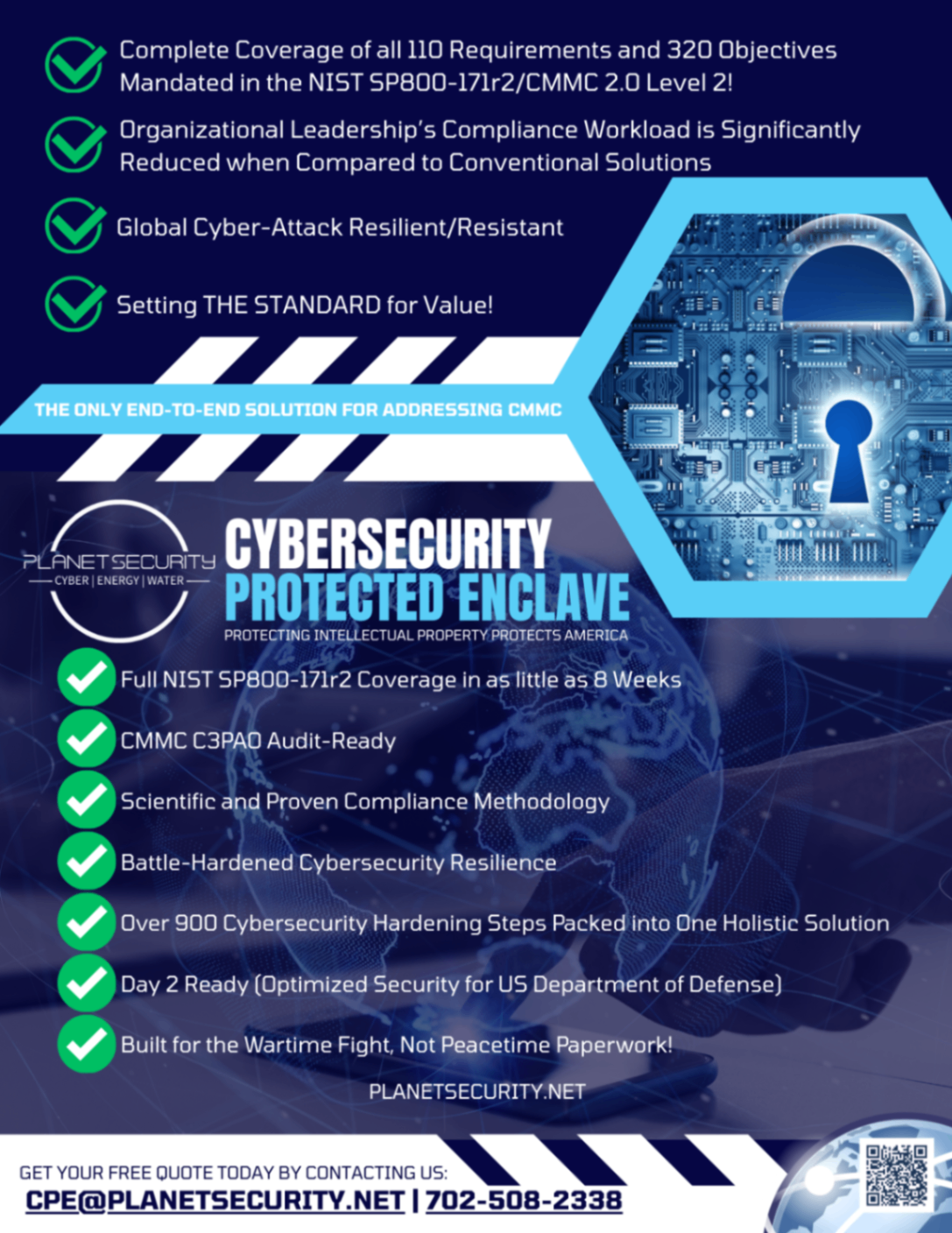
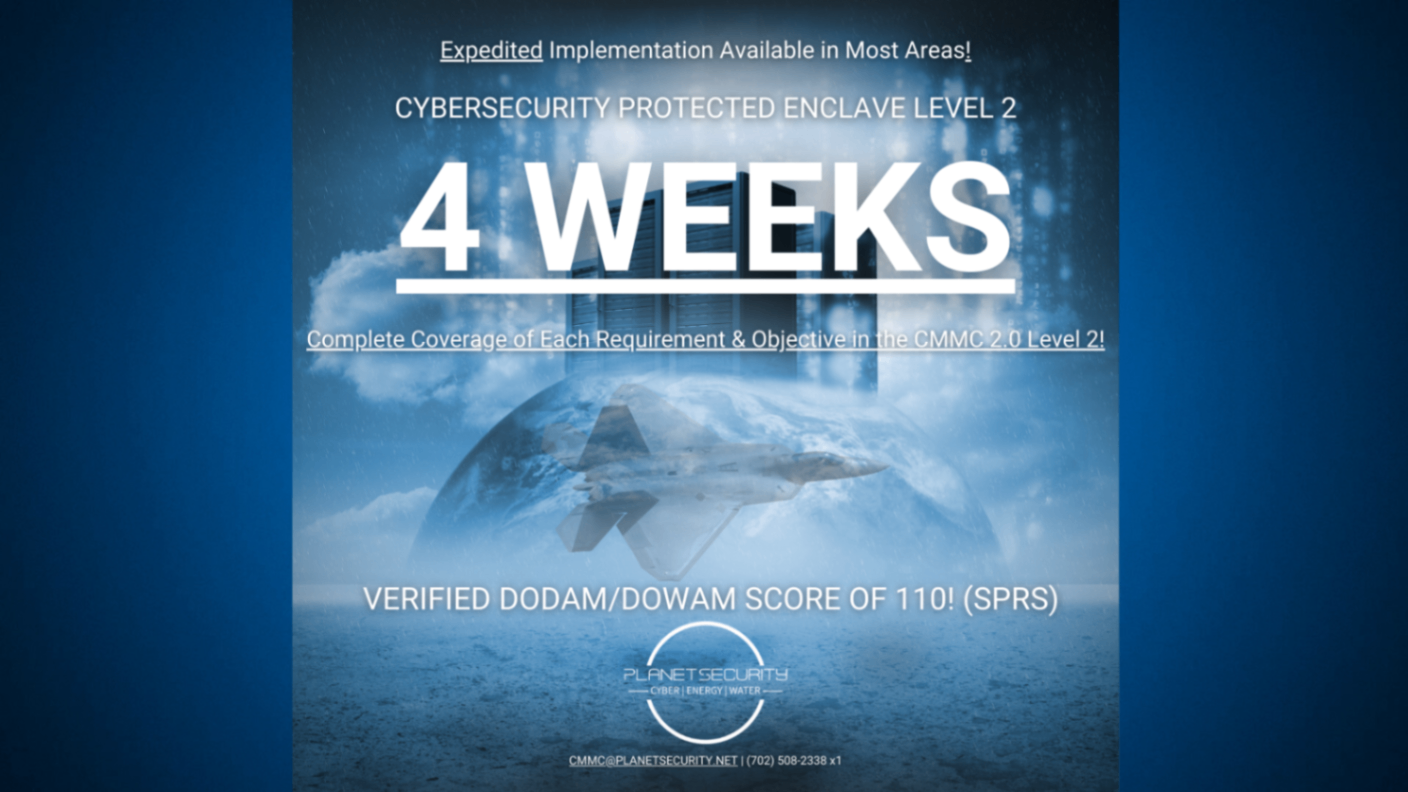
The good news? Solutions like CPE Level 2 are designed to get you compliant fast: in as little as 4 weeks.
2. The Rules Are Phasing In Through 2028
Don't panic just yet. The requirements are rolling out in phases.
- Phase 1 (November 2025–November 2026): CMMC Levels 1 and 2 appear in select solicitations
- After November 2028: CMMC becomes mandatory for all applicable contracts
But here's the catch: waiting until the last minute is risky. The sooner you're compliant, the more contracts you can pursue.
3. You Need to Appoint an Affirming Official
This is new and important. Every contractor must designate a senior representative who can officially attest to your company's CMMC compliance.
This person is responsible for:
- Certifying your compliance status
- Submitting annual affirmations
- Ensuring ongoing compliance throughout the contract
Choose someone who understands your cybersecurity posture and has the authority to speak for your organization.
4. Annual Affirmations Are Mandatory
Once you're certified, you're not done. You must file annual affirmations of continuous compliance in the Supplier Performance Risk System (SPRS).
Miss an affirmation? You could lose eligibility for contract awards and renewals.
This is where having a comprehensive solution matters. CPE Level 2 includes continuous compliance monitoring, so you're always ready when affirmation time comes around.
5. Not Every Contract Requires CMMC
Here's some relief. CMMC only applies to contracts involving sensitive data.
Specifically, it covers contracts where you:
- Process Federal Contract Information (FCI)
- Store Controlled Unclassified Information (CUI)
- Transmit either FCI or CUI
Contracts for commercially available off-the-shelf (COTS) items are exempt. So take a look at your contracts and identify which ones actually require compliance.
6. SPRS Documentation Is Essential
The Supplier Performance Risk System (SPRS) is your compliance home base. You must register your self-assessment results there.
Here's what you need to do:
- Map all systems that handle FCI or CUI
- Conduct self-assessments against NIST SP 800-171
- Document everything in SPRS
- Keep it current throughout contract performance
With CPE Level 2, you can achieve a verified SPRS score of 110: the maximum possible score. That's a serious competitive advantage.
7. False Affirmations Have Real Consequences
This isn't a checkbox exercise. Submitting false compliance information can trigger penalties under the False Claims Act.
We're talking potential:
- Financial penalties
- Contract termination
- Legal action
- Reputation damage
Accuracy matters. Don't guess about your compliance status. Work with a solution that provides real, verifiable security controls.
8. Prime Contractors Must Verify Subcontractor Compliance
If you're a prime contractor, your responsibilities don't stop at your own organization. You're accountable for your subcontractors too.
Any subcontractor handling FCI or CUI must:
- Meet the required CMMC level
- Submit their own self-assessment results in SPRS
- File annual affirmations
This creates a chain of compliance. Make sure your supply chain is ready.
9. Your CMMC Level Determines Your Assessment Type
Not all assessments are the same. The rule establishes four assessment types:
| Level | Assessment Type |
|---|---|
| Level 1 | Self-Assessment |
| Level 2 | Self-Assessment |
| Level 2 | C3PAO Assessment (third-party) |
| Level 3 | DIBCAC Assessment |
The contracting officer specifies which level you need in the solicitation. You must meet that exact level to compete.
For most small to medium defense suppliers, Level 2 is the sweet spot. And CPE Level 2 delivers 100% coverage of all 110 NIST SP 800-171 requirements and 320 objectives.
10. The 72-Hour Incident Reporting Rule Still Applies
Cyber incidents happen. When they do, you have 72 hours to report them under DFARS 252.204-7012.
This requirement hasn't changed. But here's what's new: if your CMMC status lapses or your affirmations are outdated, you could become ineligible for contracts even without an incident.
Stay current. Stay compliant. Stay competitive.
How CPE Level 2 Makes DFARS Compliance Simple
Look, we get it. DFARS compliance feels like a lot. But it doesn't have to be a nightmare.
CPE Level 2 is built specifically for small to medium defense suppliers who need full CMMC 2.0 Level 2 compliance without the complexity.
Here's what you get:
- Complete NIST SP 800-171r2 coverage : all 110 requirements, 320 objectives
- 4-week implementation : get audit-ready fast
- Verified SPRS score of 110 : the maximum possible
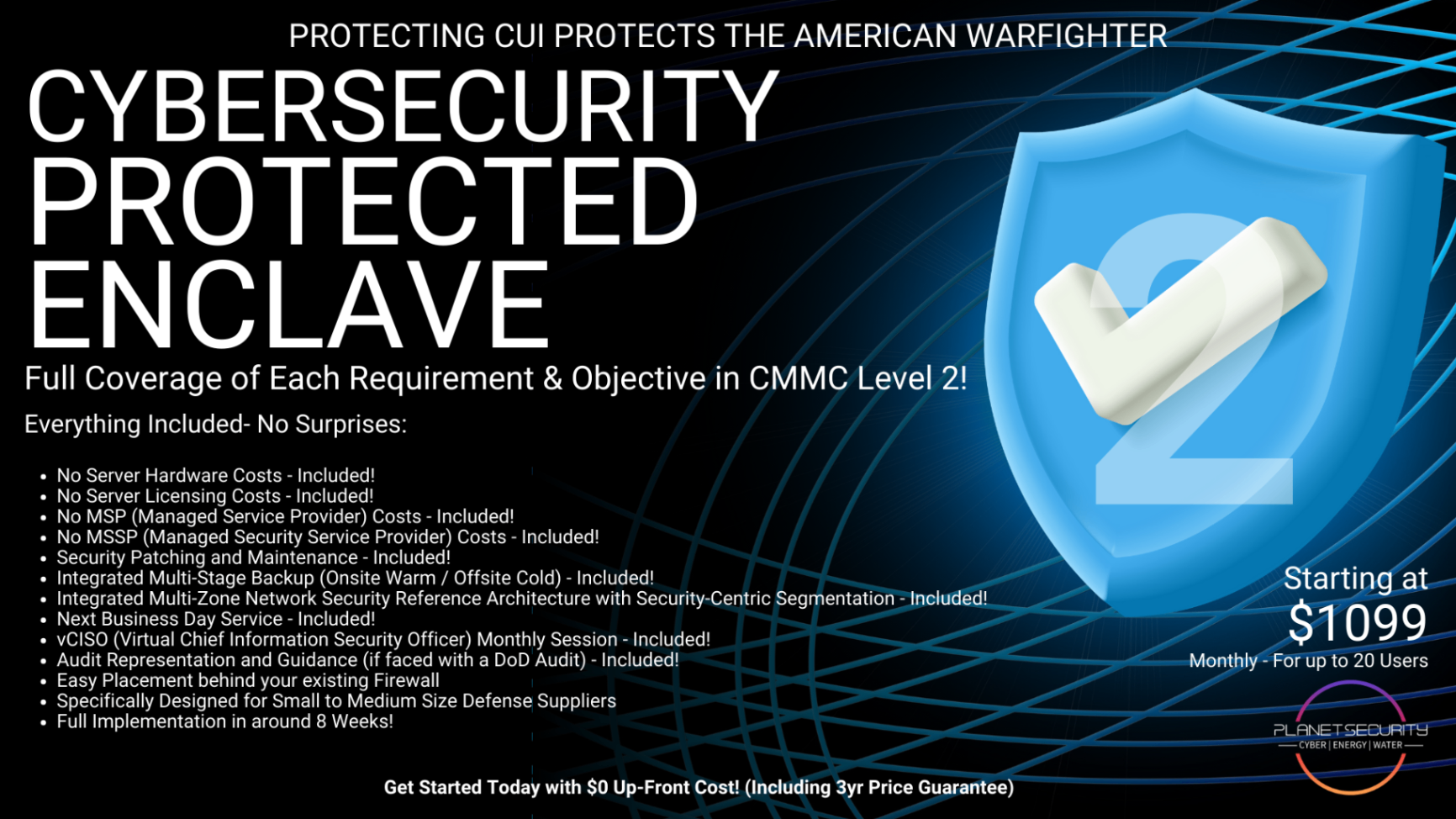
- No extra hardware or licensing costs : everything's included
- Continuous compliance monitoring : stay ready for annual affirmations
- Integrated backup and network segmentation : real security, not just checkboxes
- vCISO sessions and audit support : expert guidance when you need it
Starting at $1,099/month for up to 20 users, it's the most comprehensive and cost-effective path to DFARS compliance.
The Bottom Line
DFARS compliance isn't going away. It's becoming more important every year.
The contractors who prepare now will win contracts. The ones who wait will scramble: or lose out entirely.
Here's your action plan:
- Identify which contracts require CMMC compliance
- Map your systems handling FCI and CUI
- Appoint your affirming official
- Implement a compliant solution like CPE Level 2
- Register your assessment in SPRS
- File your annual affirmations
Don't overcomplicate this. With the right solution, DFARS compliance becomes straightforward.
Ready to simplify your path to compliance? Get started today.
planetsecurity.net | [QR Code: https://planetsecurity.net/cybersecurity-protected-enclave-for-cmmc-20-level-2-cpe-level-2]